👤 One Prop Trader a Day – Episode 15
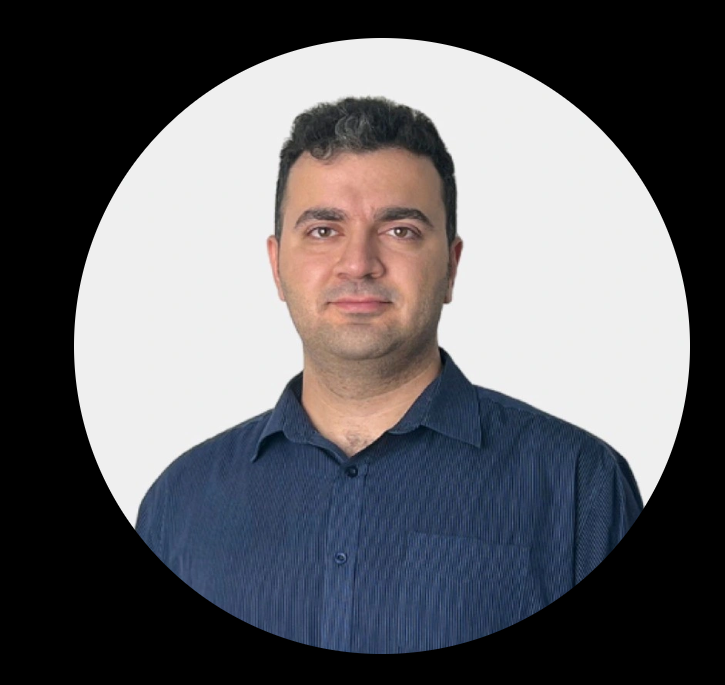
About Sepehr
Sepehr Keyvan is a 30-year-old trader from Isfahan, Iran, specializing in Forex, Gold (XAUUSD), and Oil markets. He became funded approximately four years ago and currently trades with FundedNext. His approach combines price action, Level 2 data/order flow concepts, and fundamental analysis – shifting the weight between them based on market conditions rather than relying on a single fixed strategy. Sepehr starts each day by reviewing overnight news and geopolitical developments, then studies charts across multiple assets before planning his trades. Operating from a challenging environment with many limitations, he has built a disciplined, growth-focused career that proves long-term consistency can create real opportunities regardless of where you start from.
Q Quick intro – who are you, age, where are you from, and what do you trade?
A My name is Sepehr Keyvan, I’m 30 years old and I’m from Isfahan, Iran. I mainly trade Forex, Gold (XAUUSD), and Oil markets.
Q When did you become a funded trader? What changed for you at that point?
A I became funded around four years ago. It changed a lot for me because it showed me that trading could become something real and not just a personal interest. Through funded accounts, I was able to generate meaningful income and gain much more confidence in my abilities.
Q How did you feel when you became a funded trader for the first time?
A It felt great honestly. After spending years learning, failing, improving and staying disciplined, finally reaching that stage felt like proof that the hard work was paying off.
“I never seriously considered quitting trading. I always felt there was still another level I could reach if I stayed disciplined and kept improving.”– Sepehr Keyvan
Q How many times did you fail before getting funded? What kept you going?
A I honestly lost count. Even today, failure is still part of the process sometimes. But overall, trading has been positive for me long term. What kept me going was seeing gradual improvement in both my performance and mindset over time.
Q What was your lowest point in trading? Did you ever consider quitting?
A There were definitely difficult periods mentally and emotionally, especially during drawdowns or periods of inconsistency. But I never seriously considered quitting trading. I always felt there was still another level I could reach if I stayed disciplined and kept improving.
Q Did trading ever affect you mentally or emotionally? (Stress, overtrading, self-doubt, etc.)
A Of course. I think every trader experiences stress, self-doubt, overtrading or emotional mistakes at some stage. For me, those emotions became much more controlled over time through experience, discipline and understanding risk management better.
Q What does your trading style look like today? (Assets, timeframes, strategy approach)
A Today my trading style is a combination of price action, Level 2 data/order flow concepts, and fundamental analysis. Depending on market conditions, I shift the weight between them and adapt rather than relying on only one fixed approach.
Q What’s a typical trading day for you? Walk us through your routine.
A My day usually starts by reviewing overnight news and market developments, especially economic or geopolitical events that happened while I was asleep. I review upcoming economic data releases, study charts across multiple assets, and analyze where the strongest moves occurred during the Asian and early European sessions before planning my trades for the day.
Q Do people around you understand what you do? How do they react?
A Not always. In many places, especially where I live, trading is still misunderstood by a lot of people. Some see it as gambling, while others become interested once they understand the amount of discipline, analysis and emotional control it actually requires. Over time, I learned to focus more on the process and results rather than external opinions.
Q How has trading impacted your lifestyle?
A Trading changed the way I think far beyond financial markets. It taught me patience, emotional control, risk management and personal responsibility. It also gave me the ability to work independently and think globally, even while living in a difficult environment with many limitations.
“Trading for me is not only about money – it’s about growth, consistency, and proving that long-term discipline can create real opportunities regardless of where you start from.”– Sepehr Keyvan
Q What keeps you motivated to continue trading?
A What motivates me most is the belief that I still have much more potential to unlock in the right environment. Over the years, I’ve consistently improved my execution, discipline and understanding of the markets, and I know that with the right structure, capital and professional surroundings, I can perform at an even higher level. Trading for me is not only about money – it’s about growth, consistency, and proving that long-term discipline can create real opportunities regardless of where you start from.