👤 One Prop Trader a Day – Episode 13
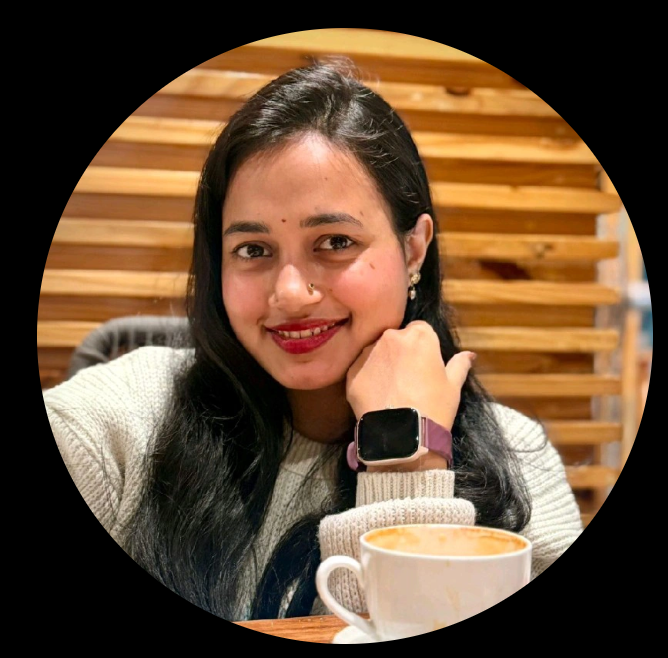
About Jyotiprava
Jyotiprava Panda is a 23-year-old Forex trader from India who specializes in EUR/USD and Gold. She started her funded trading journey about a year ago – but only after failing three funded accounts back-to-back. Those early setbacks taught her that the real challenge wasn’t the market: it was her own discipline, patience, and emotional control. Today she trades a tighter set of quality setups based on market structure, price action, liquidity, and trend direction. She’s currently working through a fresh prop firm account with two evaluation stages left to pass – risk management at the center of every decision.
Q Quick intro – who are you, age, where are you from, and what do you trade?
A My name is Jyotiprava Panda, I’m 23 years old and based in India. I mainly trade EUR/USD and Gold, focusing on the forex market and market structure-based opportunities.
Q When did you become a funded trader? What changed for you at that point?
A I started my funded trading journey about a year ago, and since then I have been consistently working within the funded trading space. One of the biggest things I learned is that prop firms can provide access to significant capital with a relatively small initial investment, but at the same time, they require a high level of discipline and risk management. That structure helped me become more focused, consistent, and professional in my approach to trading.
Q How did you feel when you became a funded trader for the first time?
A It was a very emotional moment for me because trading has many ups and downs. Becoming funded gave me confidence that consistency and patience really pay off. It also changed my mindset from just trying to make profits to thinking more like a professional trader.
“The biggest challenge was not the market itself — but improving my own discipline, patience, and emotional control as a trader.”– Jyotiprava Panda
Q How many times did you fail before getting funded? What kept you going?
A To be honest, I failed three funded accounts when I first started. I purchased accounts from different prop firms, and those experiences made me realize that the biggest challenge was not the market itself, but improving my own discipline, patience, and emotional control as a trader. Despite those setbacks, I didn’t give up. I’m currently working with another prop firm account, and this time I’ve become much more focused on risk management and consistency. My capital is safe, and I’m performing better with a more disciplined mindset. I still have two evaluation stages left to pass, but my dreams and long-term vision are what continue to keep me motivated and committed to this journey.
Q What was your lowest point in trading? Did you ever consider quitting?
A My lowest point in trading was after repeatedly failing funded accounts despite putting in a lot of effort and time. There were moments of frustration and self-doubt where I questioned whether I was truly capable of succeeding in trading. I did think about taking a break, but I never fully wanted to quit because deep down I believed I could improve. Over time, I realized that trading is more about psychology, discipline, and consistency than just strategy, and that mindset helped me continue.
Q Did trading ever affect you mentally or emotionally?
A Yes, definitely. Trading has affected me mentally and emotionally at different stages of my journey. There were times when I experienced stress, self-doubt, and frustration, especially after losses or failing funded challenges. In the beginning, I also struggled with overtrading and being emotionally attached to results.
Q What does your trading style look like today?
A Today, my trading style is more disciplined, patient, and focused on quality setups rather than taking too many trades. I mainly trade EUR/USD and Gold, and I prefer analyzing market structure, price action, liquidity, and trend direction before entering a trade.
Q What’s a typical trading day for you?
A A typical trading day for me starts with analyzing the market and checking important news events that could impact volatility. I usually begin by marking key support and resistance levels, identifying market structure, and understanding the overall trend before looking for any trading opportunities. I mainly focus during the active market sessions and wait patiently for quality setups instead of forcing trades. Once I enter a trade, I follow strict risk management and avoid emotional decisions. Apart from trading, I also spend time reviewing my previous trades, improving my psychology, and continuing to learn more about the markets and trading discipline.
Q Do people around you understand what you do?
A Not everyone around me fully understands trading, especially the challenges and discipline that come with it. Many people only see the profits side of trading and don’t realize how much patience, emotional control, and continuous learning it actually requires.
Q How has trading impacted your lifestyle?
A Trading has changed my lifestyle in many ways, especially in terms of mindset, discipline, and time management. It taught me the importance of patience, emotional control, and staying consistent even during difficult phases. It also gave me a different perspective on financial growth and personal freedom. Since trading requires continuous learning and self-improvement, I’ve become more focused on maintaining a balanced routine, controlling emotions, and making decisions more calmly in both trading and daily life.
“Trading is more about psychology, discipline, and consistency than just strategy.”– Jyotiprava Panda
Q What keeps you motivated to continue trading?
A What keeps me motivated is the vision of creating a better future for myself and continuously growing both financially and personally. Trading is not just about profits for me – it’s also about self-discipline, patience, and becoming mentally stronger through challenges and experiences. I’m also motivated by the fact that every mistake teaches something valuable. The journey itself pushes me to improve every day, and that mindset keeps me focused and committed to becoming a consistently profitable and disciplined trader.
Q What would you tell your younger self when you first started trading?
A I would tell my younger self to be more patient and focus on learning before chasing profits. In the beginning, I thought trading was mostly about strategy and making quick money, but over time I realized that psychology, discipline, and risk management are far more important.
Q If I gave you a $1,000,000 funded account today, what would you do in the first 7 days?
A If I were given a $1,000,000 funded account today, my first priority would be protecting the capital rather than trying to make aggressive profits. During the first 7 days, I would focus on understanding the account conditions, maintaining strict risk management, and trading only high-probability setups with a calm and disciplined mindset. I believe consistency is more important than taking unnecessary risks. My goal would be to build stable performance gradually, manage emotions carefully, and treat the account with professionalism and responsibility from day one.