👤 One Prop Trader a Day – Episode 14

About Maxwell
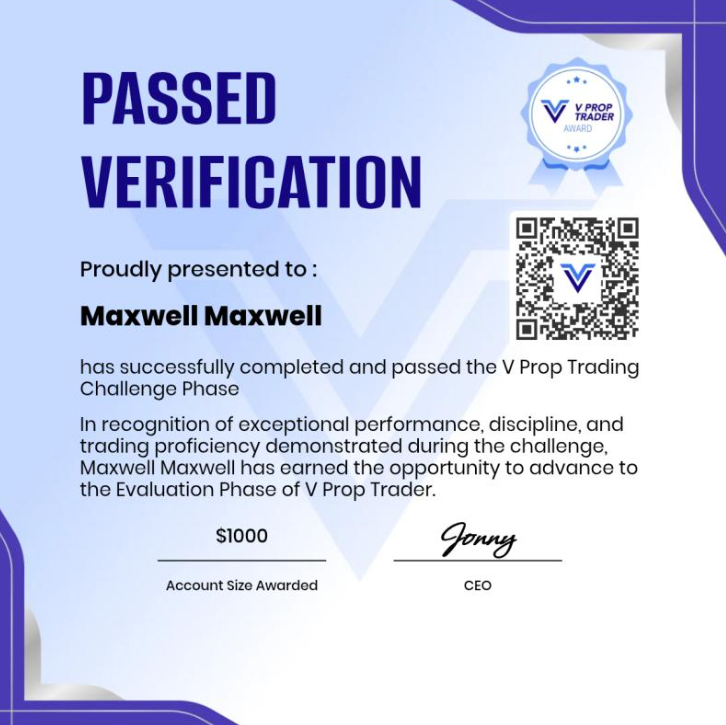
Maxwell Kommene Maxwell is a 19-year-old Forex trader from Jimeta-Yola North, Adamawa State, Nigeria. He trades USD pairs using a supply-and-demand approach on the 4H and 30M timeframes, and got funded in April 2026 – after one failed prop account, blown personal accounts, and even selling his phones to keep going. The journey taught him that discipline, precision, and risk management matter far more than chasing setups. Today he prepares each session by checking ForexFactory for high-impact news, then moves to technicals – and if the conditions don’t align, he closes the screen instead of forcing a trade. He’s currently funded across Funding Pips and FundedNext.
Q Quick intro – who are you, age, where are you from, and what do you trade?
A I’m Maxwell Kommene Maxwell, I’m 19 years old. I’m from Nigeria, Adamawa State, Jimeta-Yola North – born and raised. I trade the Forex market.
Q When did you become a funded trader? What changed for you at that point?
A I got funded in April 2026. My mindset shifted from guessing to precision and discipline – I started executing the same system like a bot.
Q How did you feel when you became a funded trader for the first time?
A I felt so happy and motivated. Consistency and hard work truly pay off, and it was proof that I’m growing.
“My lowest point was selling my phones and losing everything. I did consider quitting – but giving up is not an option for me.”– Maxwell Kommene Maxwell
Q How many times did you fail before getting funded? What kept you going?
A I failed once – my first prop account. It made me feel like giving up because it was my last hope and I’d been blowing personal accounts before that. I kept going because giving up is not an option for me.
Q What was your lowest point in trading? Did you ever consider quitting?
A My lowest point was selling my phones and losing everything – blowing accounts with no edge, no precision, no discipline. I’ve lost more than I could afford. I did consider quitting after losing my first prop account because it cost me everything to purchase it. But I didn’t quit.
Q Did trading ever affect you mentally or emotionally?
A Yes – trading affected me mentally and broke me emotionally. Each trade was like a rollercoaster. I battled with overtrading and self-doubt about whether I’d ever make it. Trading is hard because it deals with money and it overwhelms you.
Q What does your trading style look like today?
A I day-trade using a supply-and-demand strategy on the 4H and 30M timeframes. I start with ForexFactory to check high-impact news so I can avoid slippage and unnecessary losses, then I move to technicals for precision. My main focus is USD pairs.
Q What’s a typical trading day for you?
A 8:00 AM – market preparation. I review geopolitical events to avoid bad trades, then move to technicals and understand current price action. If everything aligns, I execute with precision and risk control. If not, I close the screen.
Q Do people around you understand what you do?
A People around me don’t understand what I do because they can’t afford the risk. They react by calling it gambling and try to discourage me – telling me it will never work out.
Q How has trading impacted your lifestyle?
A Trading has taught me discipline, patience, and money management. It’s helped me get the little things I wanted. It changed my psychology and the way I think about success and money. It’s helped me put a smile on people’s faces. And it’s made me more focused and precise in life.
“Suffering keeps me motivated – because if I don’t do it, I can’t leave that situation.”– Maxwell Kommene Maxwell
Q What keeps you motivated to continue trading?
A Suffering keeps me motivated. If I don’t do this, I can’t leave that situation.
Q What would you tell your younger self when you first started trading?
A I’d tell my younger self to put Jesus first before anything and to be of good behavior in everything – because what you do today, you’ll harvest tomorrow.
Q If I gave you a $1,000,000 funded account today, what would you do in the first 7 days?
A First, I’d adjust my psychology to match the size of the account. Then I’d calculate how much I could lose before how much I could gain, set risk-management rules to protect the capital, and only look for A+ setups – just like I do now.